Open transport is the standard, most affordable option that works perfectly for everyday vehicles, while enclosed transport provides full weather and debris protection for high-value cars at a 30-40% premium. Here's everything you need to know to make the right choice.
TL;DR
- Open transport: $0.50-$0.70/mile, fits most vehicles, 85% of all shipments
- Enclosed transport: $0.70-$1.00/mile, best for vehicles worth $50,000+
- Open carriers haul 7-10 cars; enclosed haul 2-6 cars
- Damage rates on open carriers are extremely low (under 1%)
- Enclosed is the right call for classics, exotics, and show cars
What Is Open Car Transport?
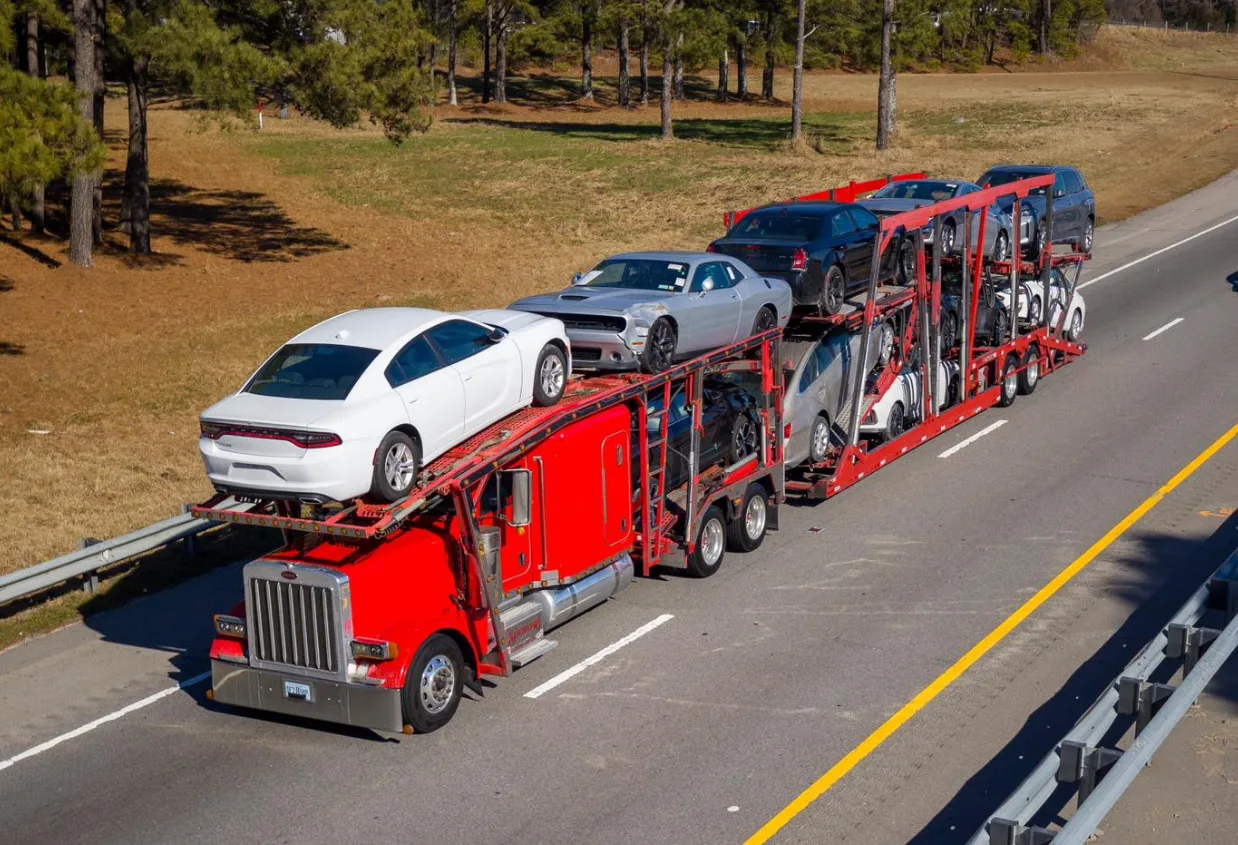
Open transport uses multi-level trailers that carry 7 to 10 vehicles at once, and it's the same method dealerships use to receive brand-new inventory.
When you picture a car carrier on the highway, you're thinking of open transport. These double-decker trailers are the workhorses of the auto transport industry. They're efficient, widely available, and responsible for moving roughly 85% of all vehicles shipped in the United States each year.
Your vehicle sits on one of the trailer's slots, secured with wheel straps and tire nets. It's exposed to the elements, meaning rain, dust, road spray, and the occasional bug will reach it. But here's the thing most people don't realize: the damage rate on open carriers is remarkably low. We're talking less than 1% of shipments experiencing any issue at all.
Think about it this way. Every new car that arrives at a dealership got there on an open carrier. If open transport weren't safe, dealerships wouldn't trust it with millions of dollars in inventory. It's the same level of care your vehicle receives when we ship it through our open transport service.
What Is Enclosed Car Transport?
Enclosed transport uses fully covered trailers with solid walls and a roof, blocking all weather, road debris, and UV exposure from reaching your vehicle.
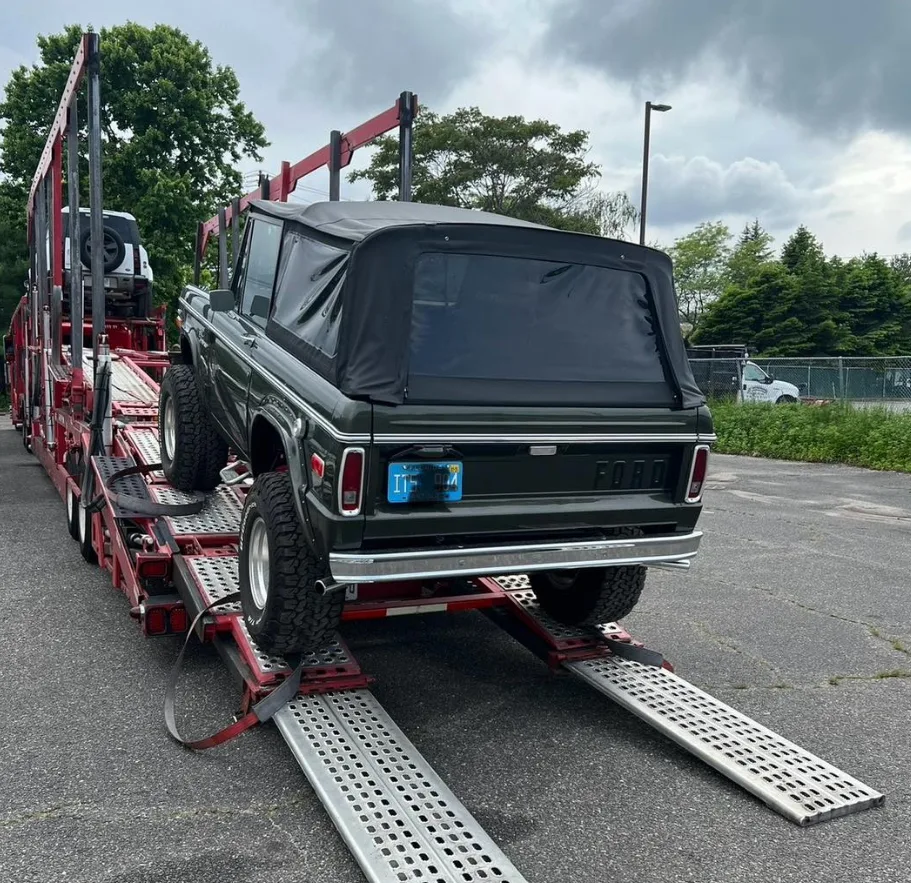
Enclosed trailers come in two main varieties: hardside and softside. Hardside trailers are fully enclosed metal containers, offering the maximum protection available in the industry. Softside enclosed trailers use heavy-duty vinyl or canvas coverings. Both provide dramatically more protection than open carriers.
Because enclosed trailers carry fewer vehicles (typically 2 to 6), each car gets more space and individual attention during loading and unloading. Many enclosed carriers also use hydraulic lift gates instead of ramps, which eliminates the steep-angle loading that can occasionally scrape low-clearance vehicles.
Our enclosed transport service is the go-to option for clients shipping luxury vehicles, rare classics, and exotic sports cars. We pair these shipments with our most experienced carriers who specialize in handling high-value automobiles.
Cost Comparison: Open vs Enclosed
Enclosed transport runs 30-40% more than open on the same route, and the gap widens on longer shipments.
| Route Example | Open Transport | Enclosed Transport | Difference |
|---|---|---|---|
| Denver to Phoenix (600 mi) | $650 - $850 | $950 - $1,200 | +$300 - $350 |
| Denver to LA (1,020 mi) | $800 - $1,100 | $1,150 - $1,500 | +$350 - $400 |
| Denver to Miami (1,900 mi) | $950 - $1,350 | $1,400 - $1,850 | +$450 - $500 |
| Denver to New York (1,780 mi) | $900 - $1,300 | $1,300 - $1,750 | +$400 - $450 |
The price difference comes down to simple economics. An open carrier earns revenue from 7-10 vehicles per trip. An enclosed carrier earns from 2-6 vehicles on the same route, so each customer's share of fuel, tolls, driver pay, and insurance is higher. You're paying for exclusivity and extra protection.
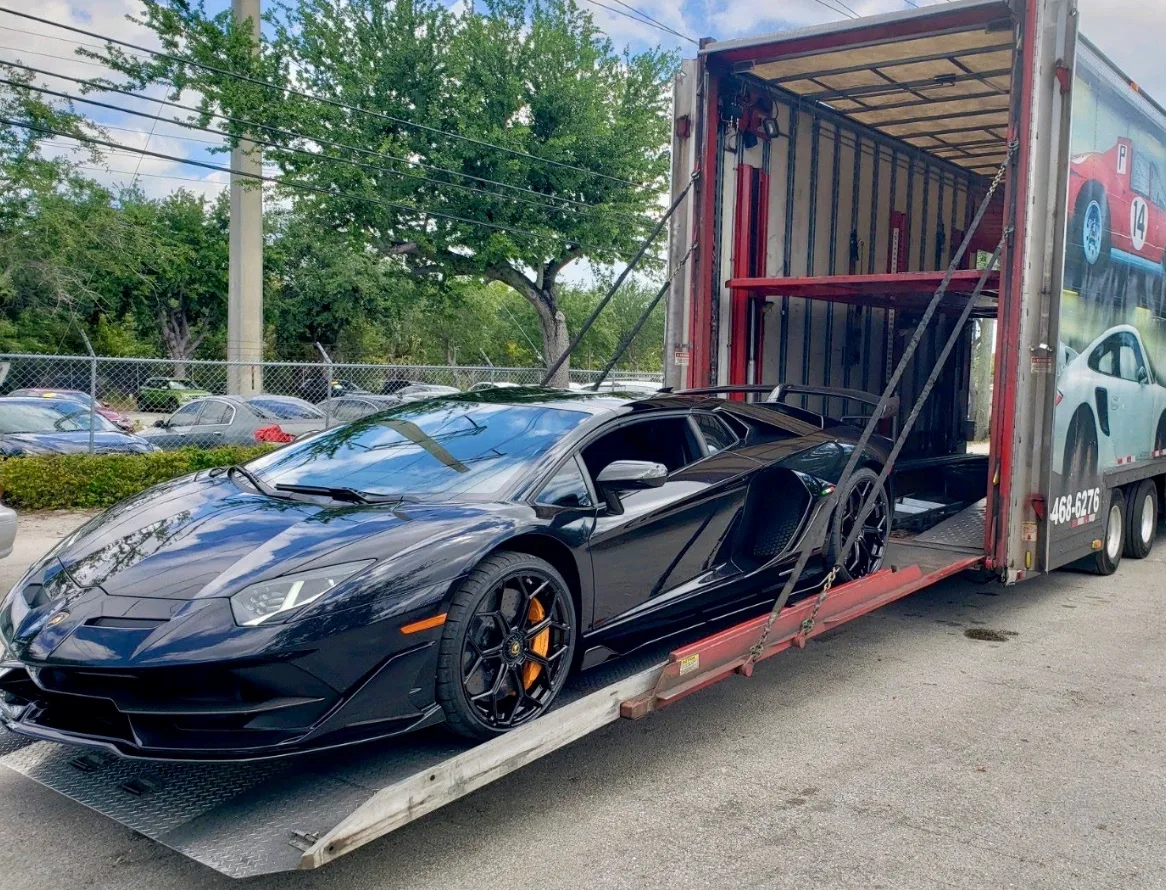
When to Choose Open Transport
Open transport is the smart choice for daily drivers, standard vehicles, and any car you'd park in an open lot without thinking twice.
If your vehicle is a regular sedan, SUV, minivan, or pickup truck that you use for daily driving, open transport is all you need. The protection is more than adequate, and you'll save hundreds of dollars compared to enclosed. This includes vehicles worth up to $40,000 or so for most people's comfort level.
Open transport also offers more scheduling flexibility. Because there are far more open carriers on the road, your pickup window is typically tighter and transit times are faster. If timing matters, open transport often wins on speed as well as price.
We ship thousands of everyday vehicles on open carriers every year, and the feedback from our 498 reviews tells the story. People are consistently impressed by the condition of their vehicle on arrival.
When to Choose Enclosed Transport
Go enclosed if your vehicle is worth more than $50,000, is a classic or collectible, has custom paint, or would be difficult to replace.
Here's a practical rule of thumb: if you'd park the car in a garage at home and never leave it outside, ship it enclosed. This category includes luxury vehicles like Mercedes S-Class, BMW 7 Series, and Audi A8 models. It includes sports cars like Porsches, Corvettes, and Ferraris. It covers classic cars, whether they're concours-quality restorations or barn finds worth protecting.
Enclosed transport is also the right call for brand-new vehicles with zero miles that you want to keep in showroom condition. And if your car is a one-of-a-kind build or has sentimental value that goes beyond its market price, the peace of mind alone is worth the premium.
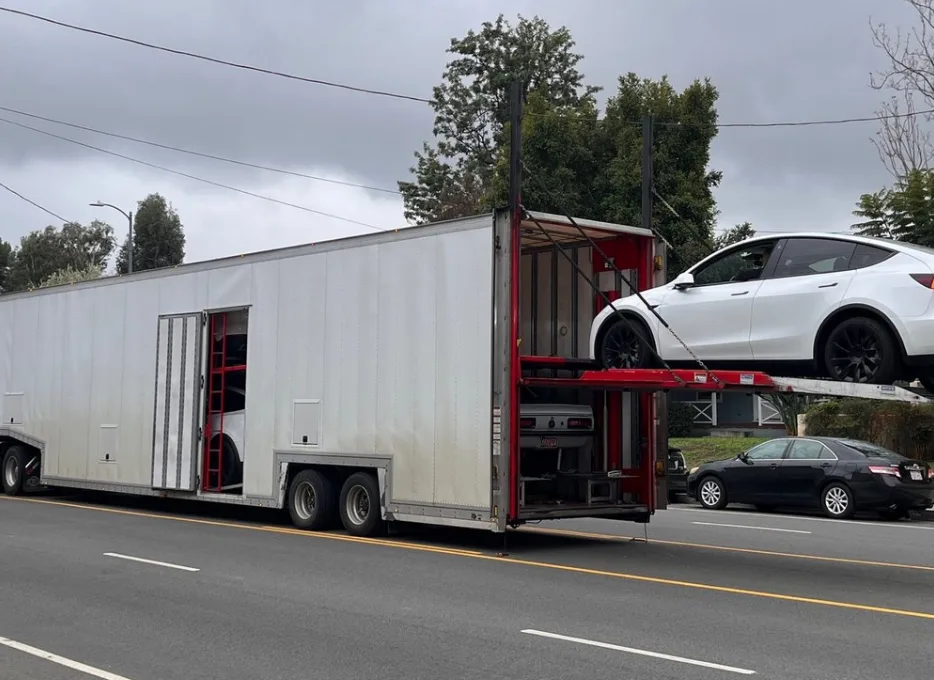
Our luxury and exotic car shipping service always includes enclosed transport, GPS tracking, and enhanced insurance coverage.
Protection Levels Compared
Both methods protect against road hazards and mechanical issues, but enclosed adds a physical barrier against weather, debris, and sun exposure.
On an open carrier, your vehicle is protected from the road surface by its position on the trailer. It won't encounter potholes, speed bumps, or road debris at ground level. The main exposure is to weather (rain, snow, dust) and occasional kicked-up stones from the road below.
On an enclosed carrier, your vehicle has zero exposure to external elements. Rain, hail, snow, dust, road salt, UV rays, and flying debris are all blocked completely. For vehicles with delicate paint, chrome trim, or soft convertible tops, this matters. A single stone chip on a $200,000 vehicle can mean thousands in repair costs.
Insurance Coverage Differences
All licensed carriers carry cargo insurance, but enclosed carriers typically offer higher coverage limits and lower deductibles.
Federal regulations require all auto transport carriers to carry minimum cargo insurance. Open carriers typically carry $250,000 to $500,000 in total coverage per trailer. That sounds like a lot, but split across 8-10 vehicles, the per-vehicle coverage might be $25,000 to $50,000.
Enclosed carriers usually carry higher per-vehicle limits, often $100,000 to $250,000 per vehicle, because they're transporting fewer, more valuable automobiles. Some enclosed carriers offer specialty policies that cover the full appraised value of each vehicle.
At Bronco Car Hauling, we verify every carrier's insurance documentation before dispatching your vehicle, regardless of which transport type you choose. If you're shipping a high-value vehicle, we'll match you with a carrier whose coverage meets or exceeds your vehicle's value. Contact us to discuss your specific insurance needs.
How to Decide: A Simple Framework
Ask yourself one question: if your car got a few water spots or a tiny dust film during shipping, would that bother you?
If the answer is no, open transport is your move. If the answer is yes, or if the potential repair cost of even minor cosmetic issues would exceed the price difference between open and enclosed, go with enclosed.
You can also think about it in terms of vehicle value. Under $40,000? Open transport, almost every time. Between $40,000 and $75,000? It depends on the vehicle type and your personal comfort level. Over $75,000? Enclosed is the way to go, and you'll sleep better knowing your investment is fully protected.
Not sure which option fits your situation? Call us at 719-249-6543 and we'll walk you through it. We've shipped over 12,000+ vehicles in 15 years, so there's not a situation we haven't handled.
Last updated: April 1, 2026